
Gnathology
We treat disorders of the joint between the lower jaw and the skull (TMJ): bruxism, pain, clicking and tension related to occlusion (the bite).
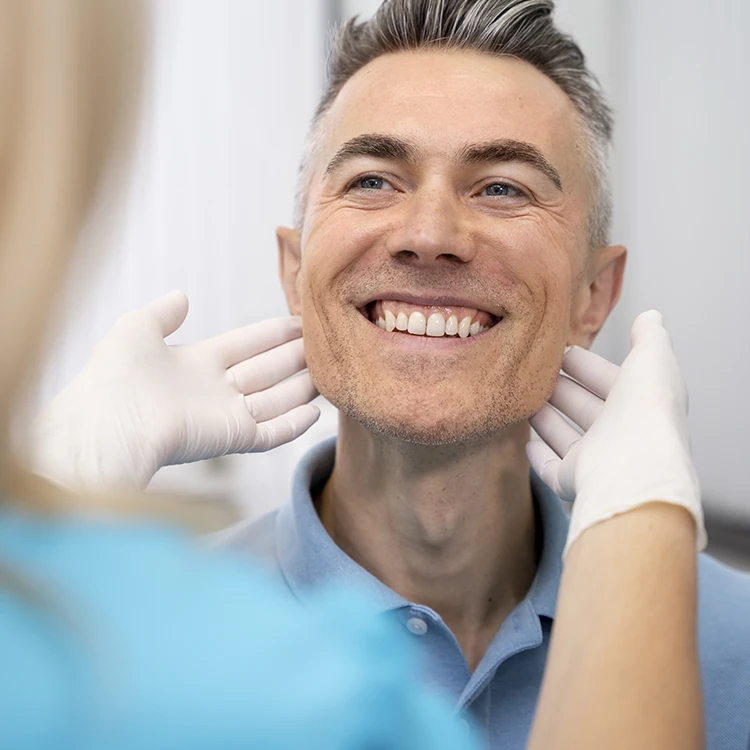
Gnathology deals with the balance between the teeth, the chewing muscles and the temporomandibular joint (TMJ). Bruxism (grinding or clenching the teeth), headaches on waking, neck pain, jaw clicking or popping and tooth wear can stem from this. The most common treatment is a custom-made night guard (occlusal splint), combined with an assessment of the bite.
What is gnathology?
Gnathology studies the balance between the dental arches, the chewing muscles and the temporomandibular joint (TMJ), the "hinge" that connects the lower jaw to the skull. When this balance is disturbed, symptoms can appear even far from the mouth, for example as headaches or neck pain.
TMJ disorders and their symptoms
Among the most common signs: clicking or popping when opening the mouth, difficulty or pain when moving the jaw, recurring headaches, neck and shoulder pain, a feeling that the jaw is "locked". These symptoms deserve an assessment, because they are often linked to one another.
Bruxism: what it is and why to treat it
Bruxism is the habit, often at night and unconscious, of grinding or clenching the teeth. It can cause enamel wear, pain in the chewing muscles, headaches on waking and damage to teeth and restorations. Treating it protects the teeth and reduces symptoms.
When a gnathological assessment is needed
A gnathological assessment is useful for people who grind or clench their teeth, for those who suffer from craniomandibular pain or recurring headaches and for those who notice unusual wear on their teeth. Early diagnosis helps set up simple, targeted treatment.
How the assessment works
The visit includes an analysis of the occlusion (how the dental arches meet), an assessment of the joint and muscles and, when needed, further tests. From there we determine the most likely cause of the symptoms and the treatment plan.
Night guards and other treatments
The most frequent treatment is the night guard (occlusal splint), a custom-made device — often worn while sleeping — that protects the teeth from grinding and can help reduce muscle tension and symptoms. Depending on the case, it is combined with advice on managing tension and, sometimes, exercises or a multidisciplinary approach.
When a combined approach is needed
In some cases bite disorders are managed together with other treatments, such as orthodontic treatment, or in collaboration with other professionals, for example a physical therapist. That is exactly what the initial assessment is for: understanding whether and when this is necessary.
- Assessment of the bite (occlusion) and the TMJ
- Custom night guards for bruxism
- Management of craniomandibular pain and tension
- Protection of teeth and restorations from wear
Frequently asked questions
Is a night guard really useful?
Yes: in cases of bruxism and TMJ disorders, the night guard protects the teeth from grinding and helps relax the muscles, reducing pain and wear. It must be custom-made.
Can bruxism be cured?
Bruxism can be managed: with a night guard, by reducing its triggers and, when needed, with other measures, the teeth are protected and symptoms are eased.
I grind my teeth at night: what can I do?
The first step is a gnathological assessment. Often the solution is a custom-made night guard, which protects the teeth and relaxes the chewing muscles.
Can headaches be caused by the teeth?
In some cases, yes: tension in the chewing muscles, often linked to bruxism or clenching, can contribute to headaches and neck pain. A gnathological assessment helps understand whether the symptoms have a component of this kind.
How long do I need to wear the night guard?
It depends on the case: it is often worn at night, on an ongoing basis. Timing and how it is worn depend on the gnathological diagnosis.